Paintings by style and period
Movements in the order they began, then the centuries for paintings that belong to no single movement.
Movements
-
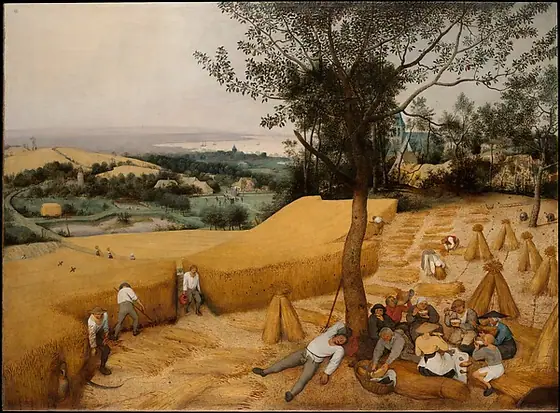 Renaissance Gold grounds give way to perspective, portraits and calm, balanced compositions in Italy and the North.
 -
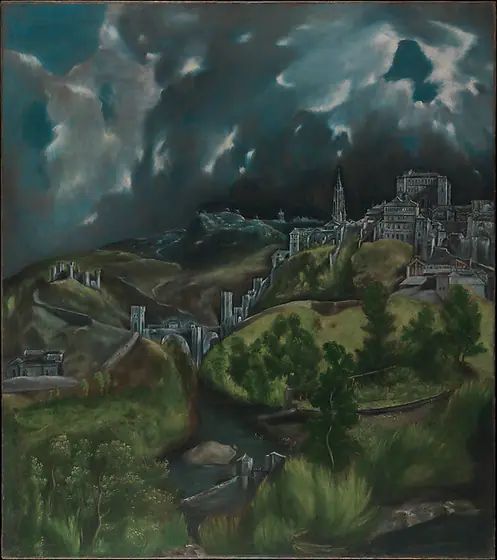 Mannerism Long necks, cool colors and restless poses: the elegant, slightly strange art after the High Renaissance.
 -
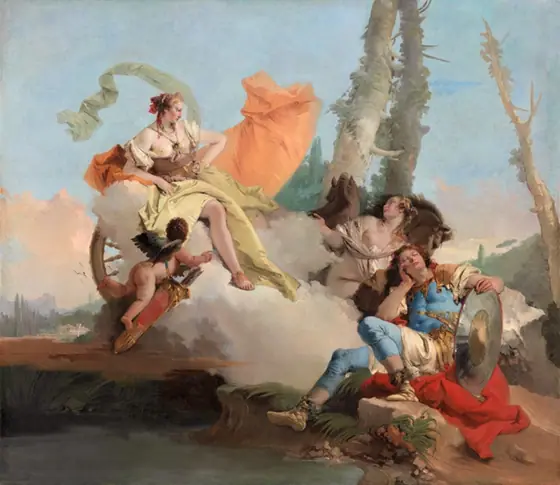 Baroque Drama, deep shadow and rich color, from Caravaggio's Rome to Rubens's Antwerp and Velázquez's Madrid.
 -
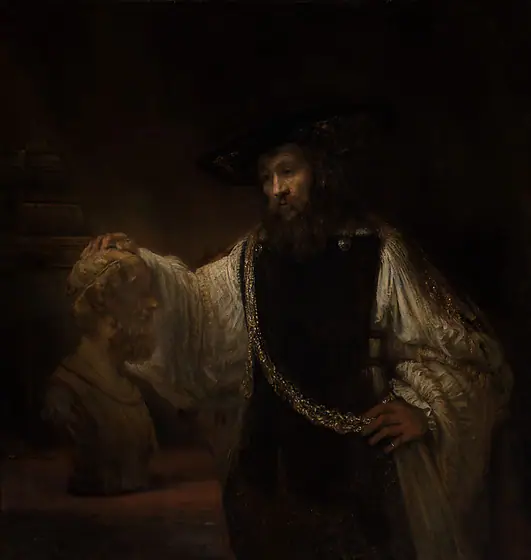 Dutch Golden Age Quiet interiors, flat polder landscapes and still lifes of astonishing detail from the Dutch Republic.
 -
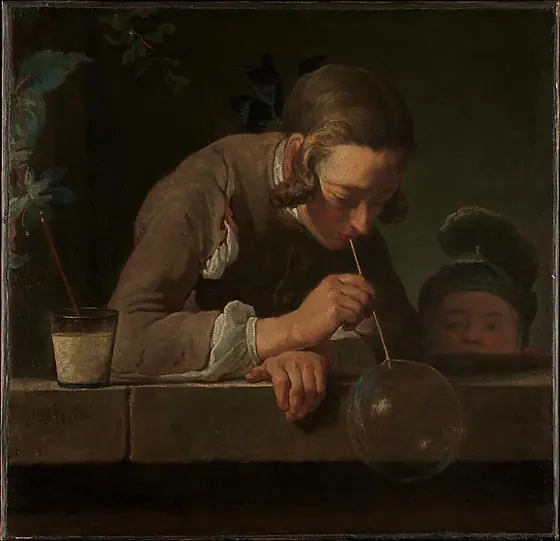 Rococo Pastel color, garden parties and light-hearted love scenes from eighteenth-century France and Venice.
 -
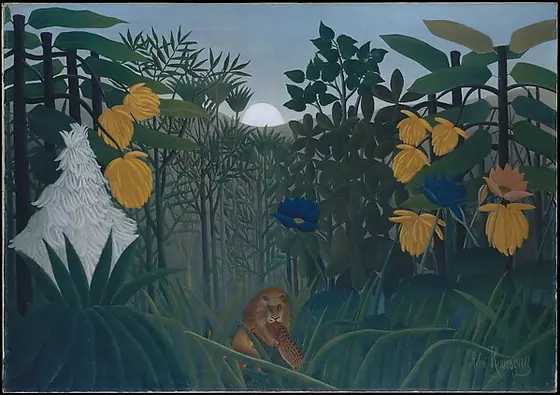 Folk & Naive Self-taught painters with flat color, bold pattern and an honesty trained artists envy.
 -
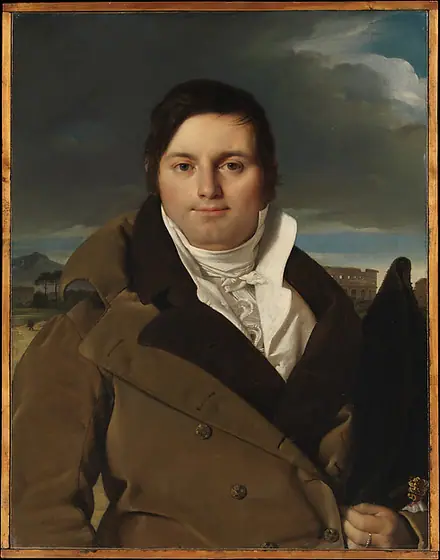 Neoclassicism Crisp outlines, sober color and the ideals of ancient Greece and Rome.
 -
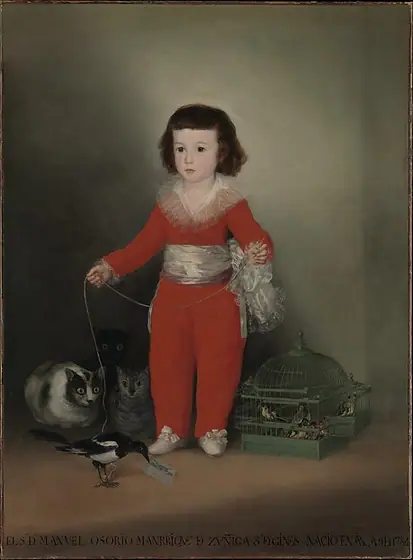 Romanticism Storms, ruins, wild landscapes and strong feeling, painted against the age of reason.
 -
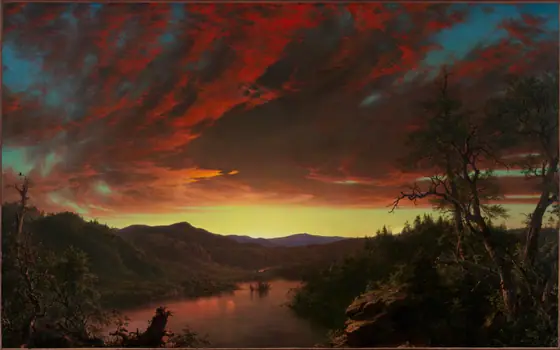 Hudson River School Grand American wilderness, from the Catskills to the Rockies, painted with a sense of wonder.
 -
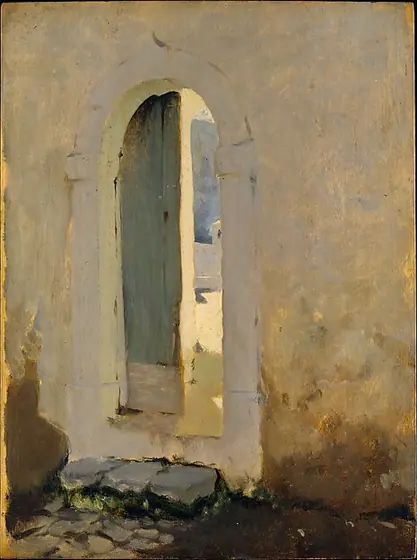 Orientalism European painters' views of North Africa and the Middle East: markets, mosques and desert light.
 -
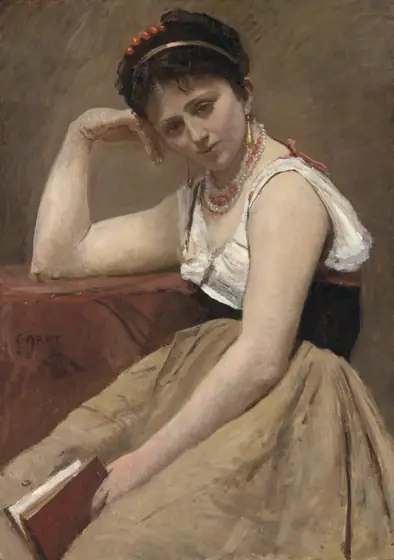 Barbizon School The French painters who left the studio for the Forest of Fontainebleau and painted the countryside as they found it.
 -
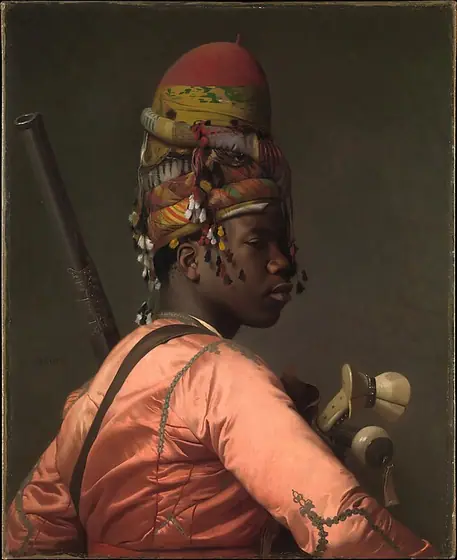 Academic Polished surfaces and perfect drawing from the official Salons of Paris and London.
 -
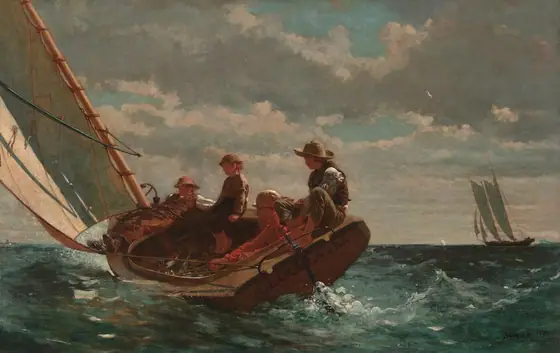 Realism Ordinary people and everyday work, painted plainly and at full scale.
 -
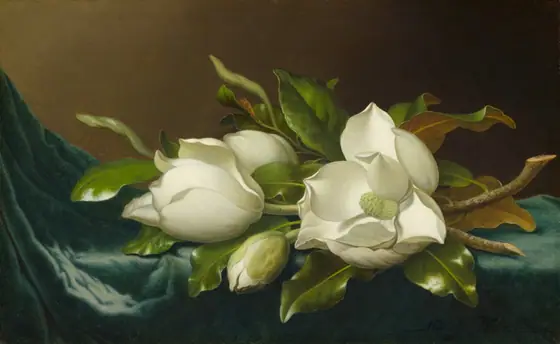 Luminism Still water, hazy light and glassy calm: the quietest American landscapes.
 -
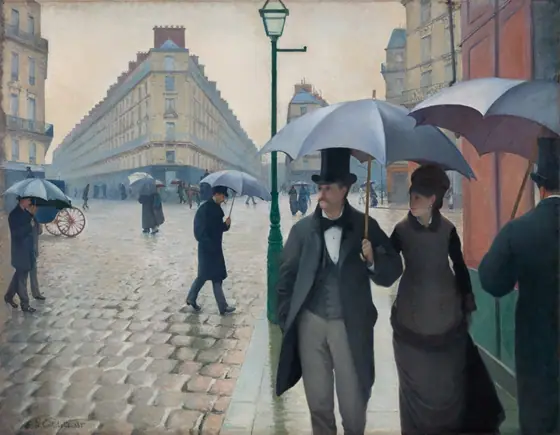 Impressionism Broken brushwork, open-air light and modern life, from Monet's gardens to Degas's dancers.
 -
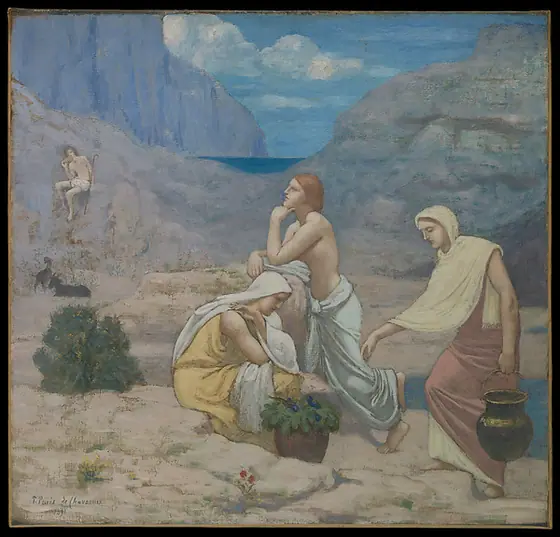 Symbolism Dreams, myth and mood over description, in hushed and jewel-like color.
 -
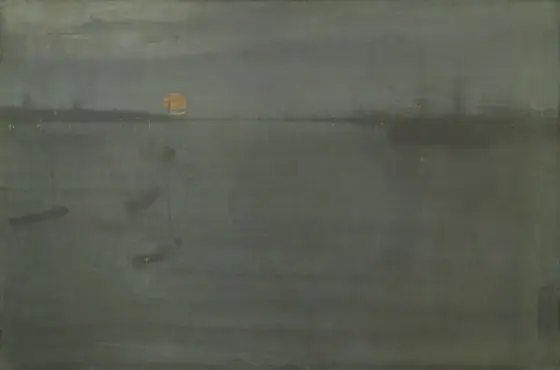 Tonalism Soft, misty landscapes in a narrow band of color: the most restful paintings in American art.
 -
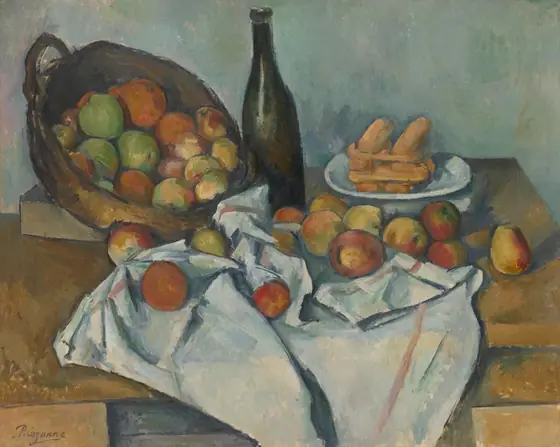 Post-Impressionism Bold color and solid form after Impressionism: van Gogh, Cézanne, Gauguin and their circle.
 -
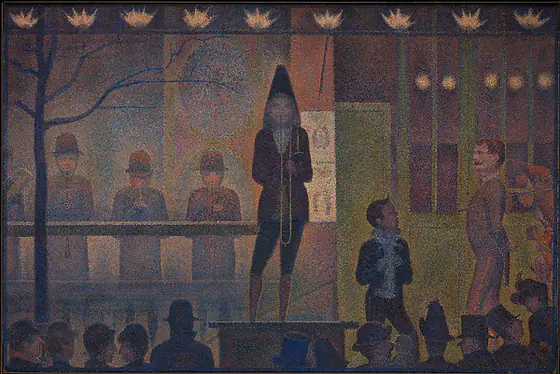 Neo-Impressionism (Pointillism) Pure color laid down in dots and dashes, to be mixed by the eye rather than the brush.
 -
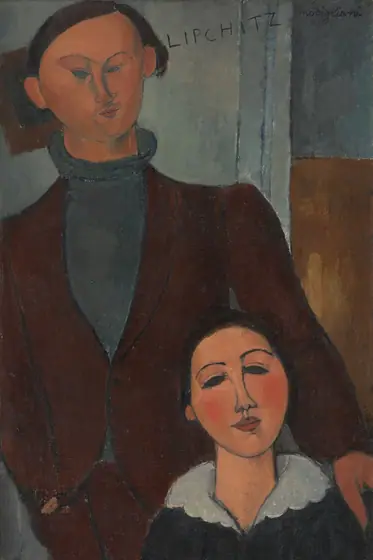 Expressionism Inner feeling made visible through distorted form and charged color.
 -
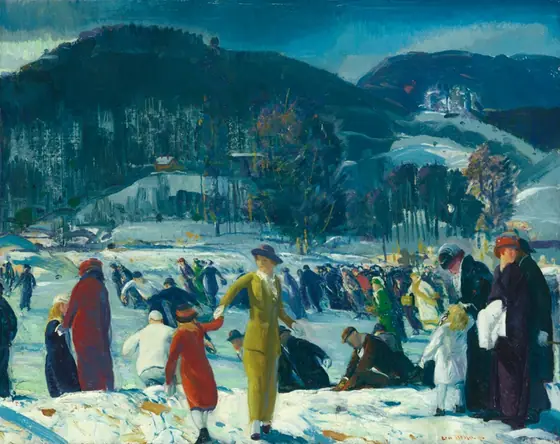 Ashcan School New York's streets, rivers, boxing rings and tenement roofs, painted fast and dark.
By century
-
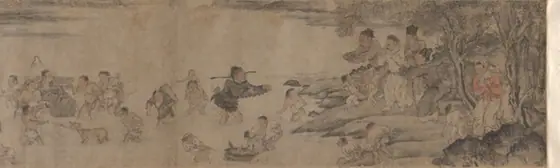 14th-Century Painting Gold-ground panels and the first steps toward naturalism, from Siena, Florence and the courts of Europe.
 -
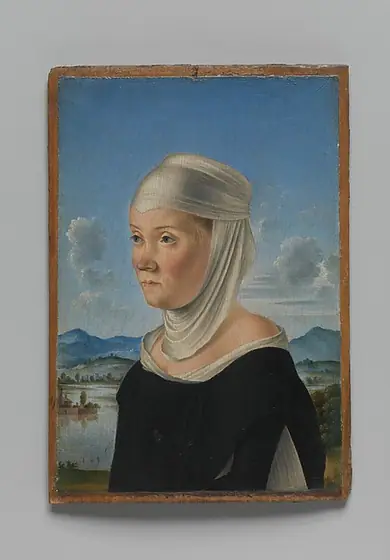 15th-Century Painting Altarpieces, devotional panels and the first great portraits of the early Renaissance.
 -
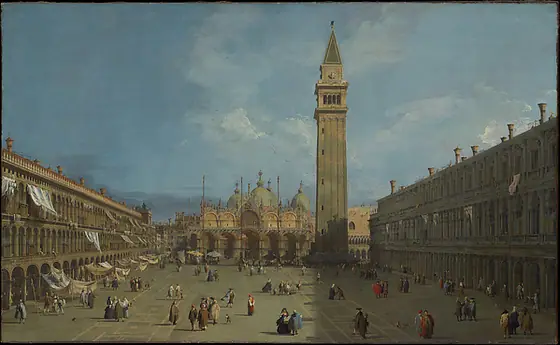 18th-Century Painting Society portraits, city views and conversation pieces from the age of the Grand Tour.
 -
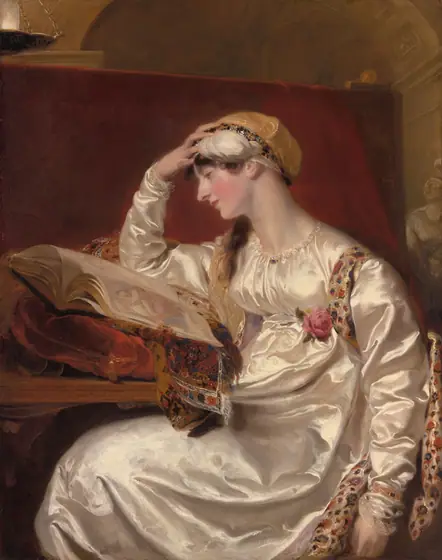 Early 19th-Century Painting Portraits, landscapes and genre scenes from the decades between revolution and railway.
 -
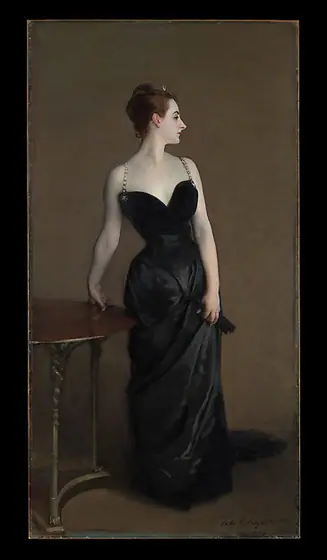 Late 19th-Century Painting Salon pictures, open-air sketches and American portraits from a fast-changing half century.
 -
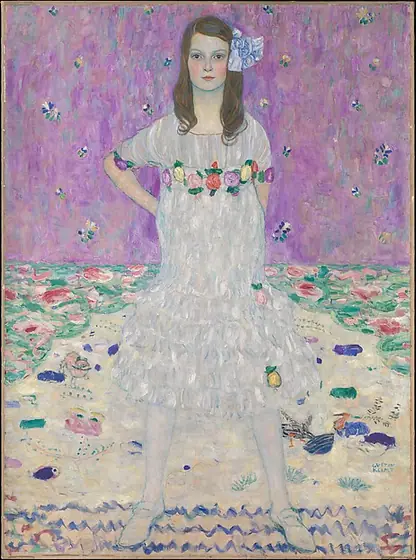 Early 20th-Century Painting Modern painting in all its variety, from city realism to the first abstractions.
Also in the collection
A few styles have too few paintings here for a page of their own. You will find them on artist pages and in search.
- 16th-Century Painting (10)
- 17th-Century Painting (6)