Art size calculator
Tell it what the art hangs above and how wide that is. It gives the width and height that look right, where to hang it, and the print sizes and paintings that fit.
Your numbers
Art above a sofa: 56 to 63 in (142 to 160 cm) wide in all, up to about 41 in (104 cm) tall.
- Art width
- 56 to 63 in (142 to 160 cm), about 59 in (150 cm) is ideal: two thirds to three quarters of an 84 in sofa.
- Height
- Up to about 41 in (104 cm) tall, two thirds of the wall above the sofa.
- Hang it
- Center it 64¼ in (163 cm) from the floor, which leaves 8 in (20 cm) between the sofa and the frame (6 to 10 in is fine). That is for the 36 × 48 in print below, 44½ in (113 cm) tall framed.
Standard print sizes that land in range
Widths include a 1¼ in frame on every side; a set includes 3 in between frames.
Landscape, one piece
- 36 × 48 in, with a 3 in mat: 56½ in (144 cm) wide framed, 44½ in (113 cm) tall, a little over the height above
Panoramic, one piece
- 20 × 60 in, no mat: 62½ in (159 cm) wide framed
Portrait, a pair
- 2 × 20 × 30 in, with 3 in mats: 60 in (152 cm) across, gaps included
- 2 × 24 × 36 in, no mat: 56 in (142 cm) across, gaps included
- 2 × 18 × 24 in, with 3 in mats: 56 in (142 cm) across, gaps included
Square, a pair
- 2 × 20 × 20 in, with 3 in mats: 60 in (152 cm) across, gaps included
- 2 × 24 × 24 in, no mat: 56 in (142 cm) across, gaps included
Square, a trio
- 3 × 16 × 16 in, no mat: 61½ in (156 cm) across, gaps included
- 3 × 12 × 12 in, with 2 in mats: 61½ in (156 cm) across, gaps included
Paintings that fit
Famous paintings whose shape fills the print sizes above, best first: single pieces from the paintings that suit this spot, pairs and trios from the whole collection.
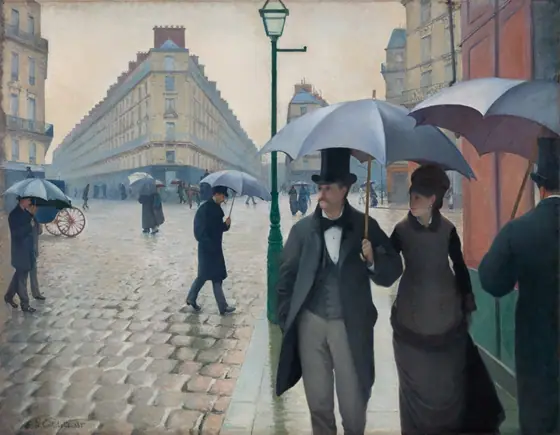 Paris Street; Rainy Day
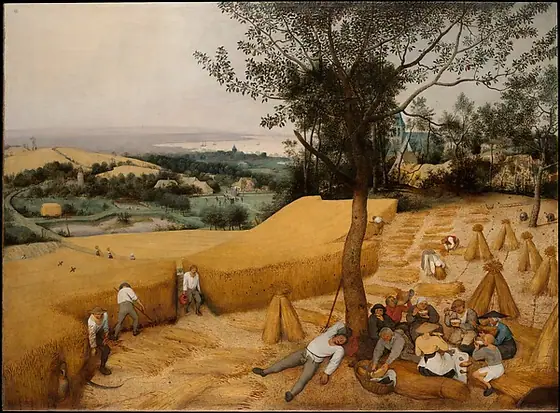 The Harvesters
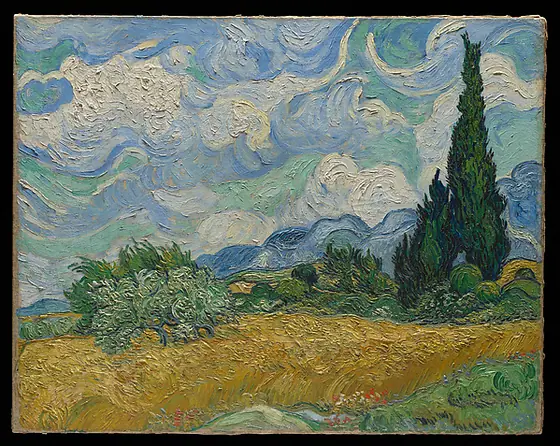 Wheat Field with Cypresses
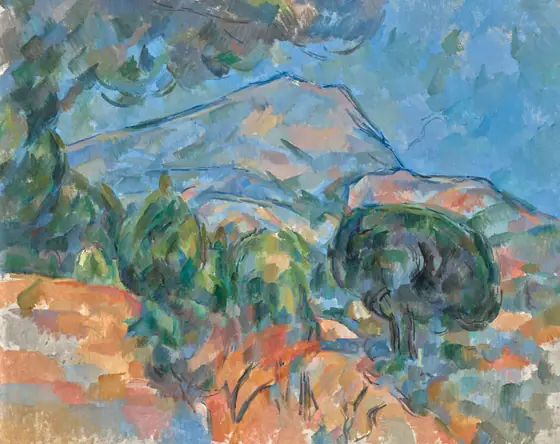 Mount Sainte-Victoire
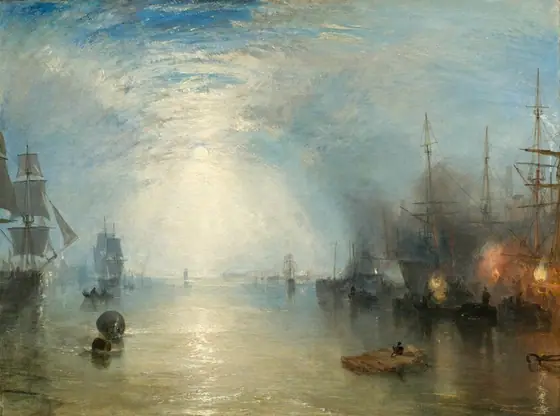 Keelmen Heaving in Coals by Moonlight
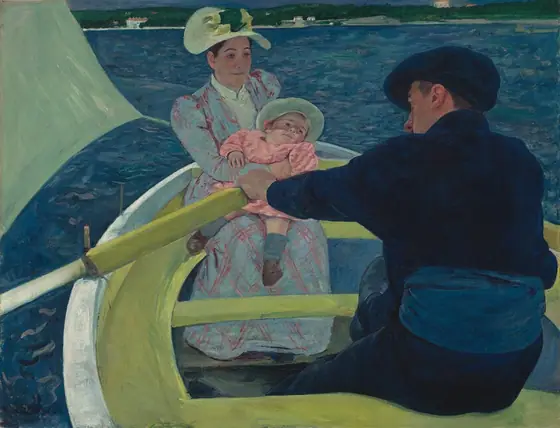 The Boating Party
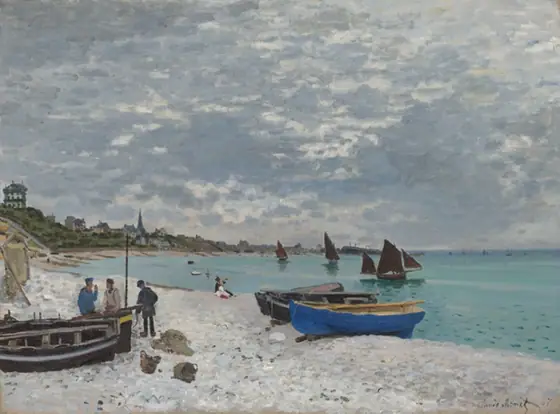 The Beach at Sainte-Adresse
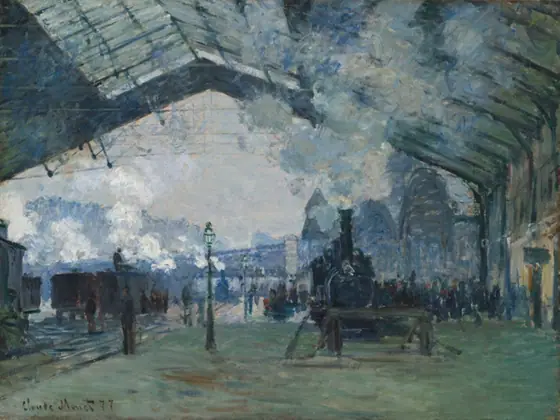 Arrival of the Normandy Train, Gare Saint-Lazare
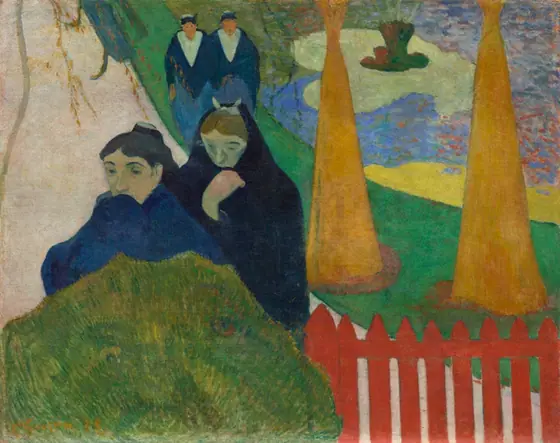 Arlésiennes (Mistral)
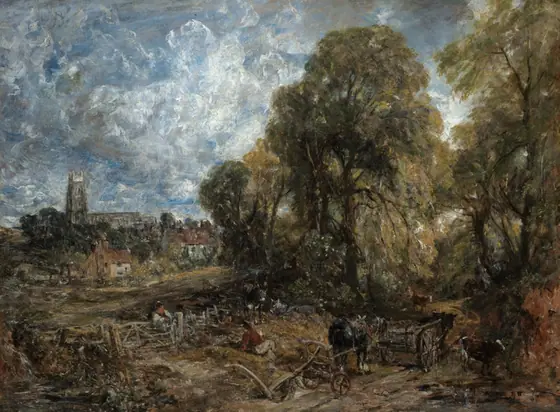 Stoke-by-Nayland
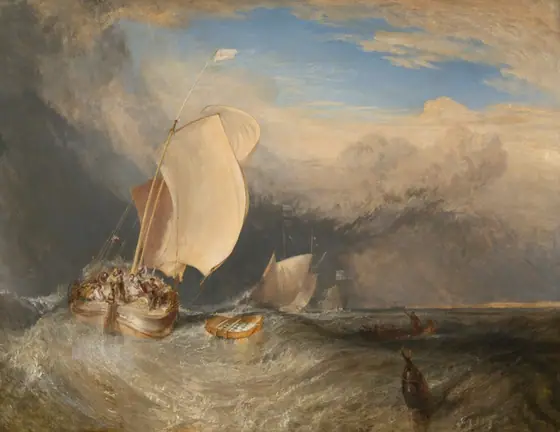 Fishing Boats with Hucksters Bargaining for Fish
 Landscape with Saint John on Patmos
 Distant View of Niagara Falls
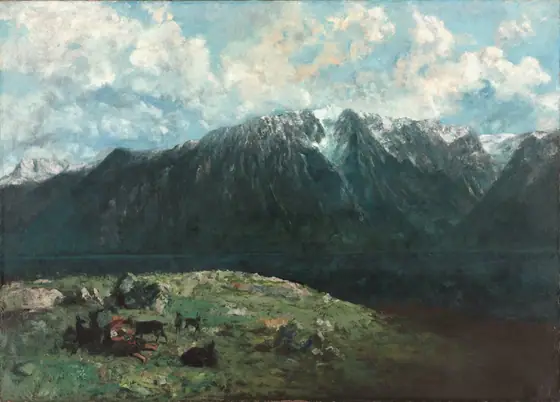 Panoramic View of the Alps, Les Dents du Midi
 The Musicians
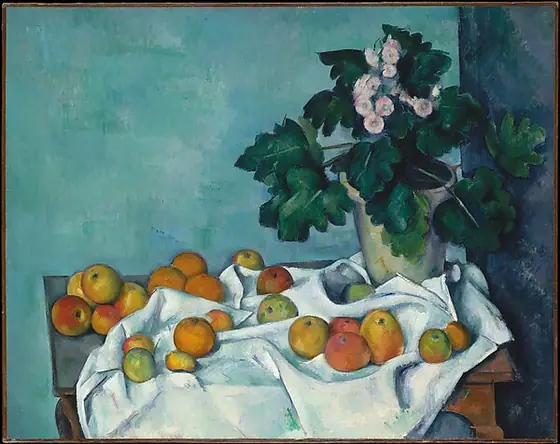 Still Life with Apples and a Pot of Primroses
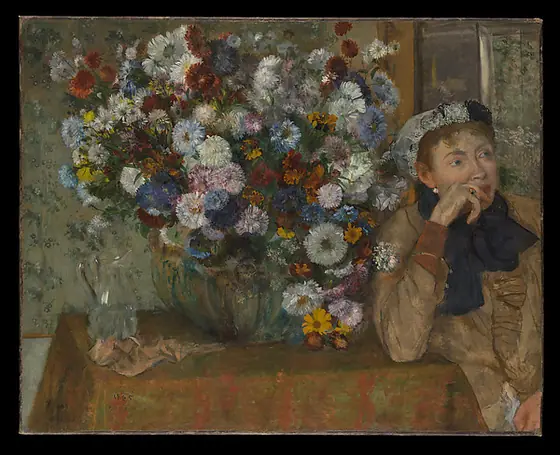 A Woman Seated beside a Vase of Flowers (Madame Paul Valpinçon?)
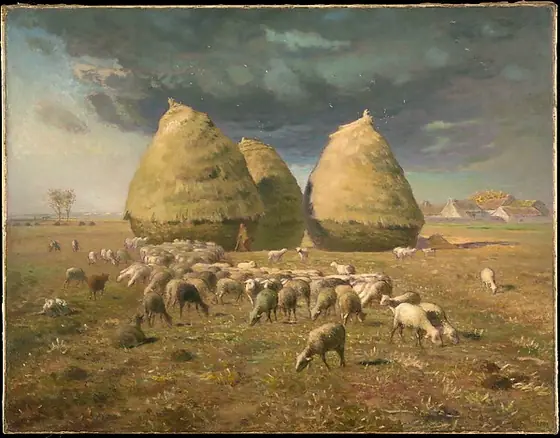 Haystacks: Autumn
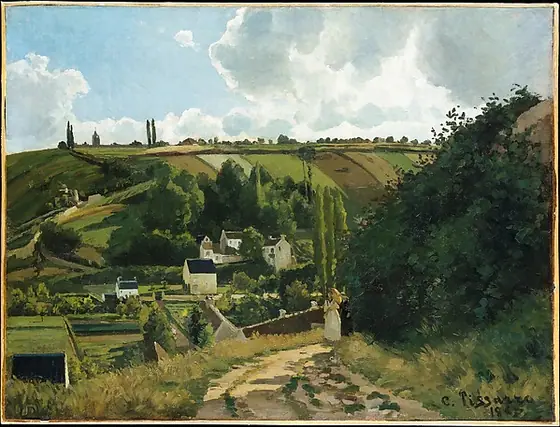 Jalais Hill, Pontoise
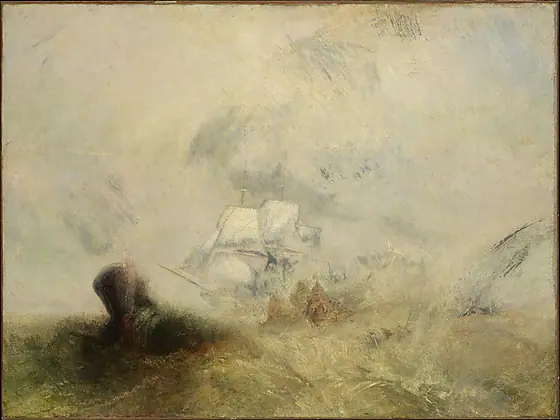 Whalers
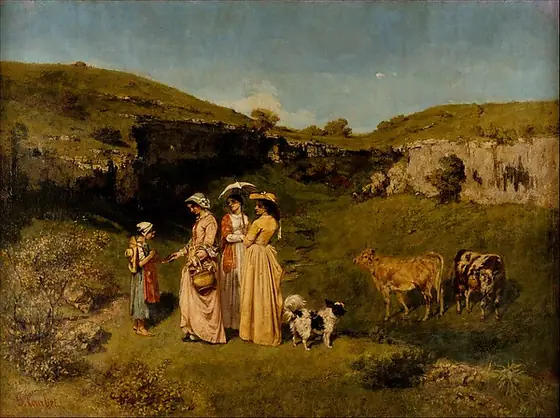 Young Ladies of the Village
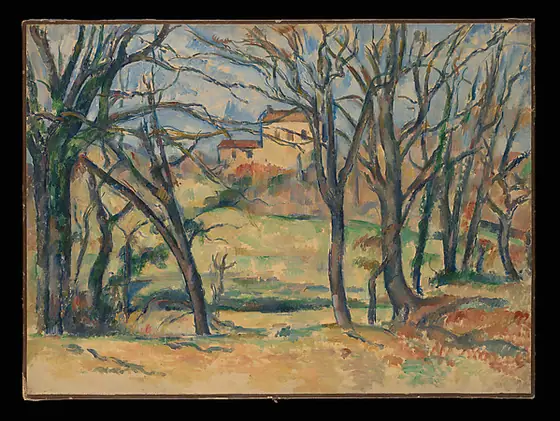 Trees and Houses Near the Jas de Bouffan
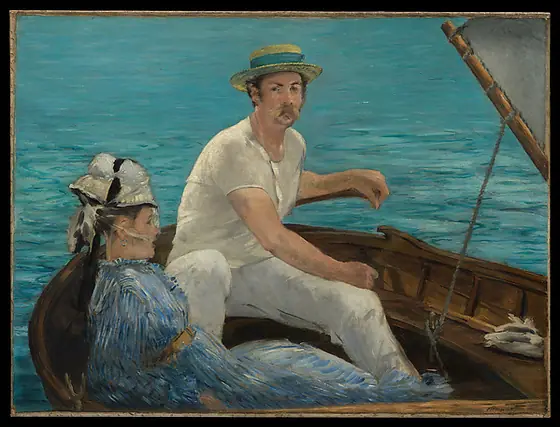 Boating
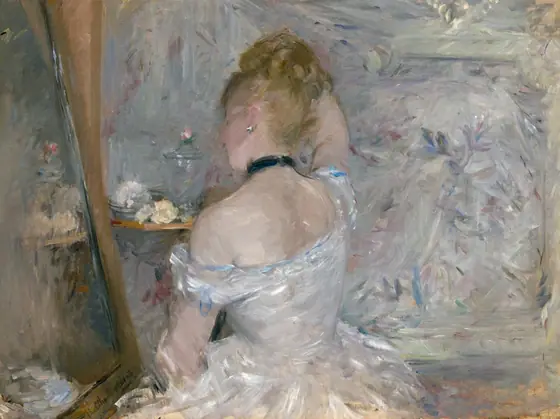 Woman at Her Toilette
Try the mock-up on your wall color
Default greige
The rule for common widths
Art over furniture looks right at two thirds to three quarters of the furniture's width. A pair or a trio counts as one piece, the gaps between frames included.
| Width | Typical piece | Art width | Ideal | Each of a pair |
|---|---|---|---|---|
| 36 in (91 cm) | narrow console, desk | 24 to 27 in (61 to 69 cm) | 25 in | 11 to 12 in |
| 48 in (122 cm) | loveseat, small console | 32 to 36 in (81 to 91 cm) | 34 in | 15 to 17 in |
| 54 in (137 cm) | console table, full bed | 36 to 41 in (91 to 104 cm) | 38 in | 17 to 19 in |
| 60 in (152 cm) | queen bed, desk, tub | 40 to 45 in (102 to 114 cm) | 42 in | 19 to 21 in |
| 66 in (168 cm) | mantel | 44 to 50 in (112 to 127 cm) | 46 in | 21 to 23 in |
| 72 in (183 cm) | apartment sofa, dining table | 48 to 54 in (122 to 137 cm) | 50 in | 23 to 26 in |
| 76 in (193 cm) | king bed | 51 to 57 in (130 to 145 cm) | 53 in | 24 to 27 in |
| 84 in (213 cm) | standard sofa | 56 to 63 in (142 to 160 cm) | 59 in | 27 to 30 in |
| 96 in (244 cm) | long sofa, sideboard pair | 64 to 72 in (163 to 183 cm) | 67 in | 31 to 35 in |
| 108 in (274 cm) | sectional side | 72 to 81 in (183 to 206 cm) | 76 in | 35 to 39 in |
| 120 in (305 cm) | open wall, 10 ft | 80 to 90 in (203 to 229 cm) | 84 in | 39 to 44 in |
How the calculator works
- Measure the furniture. Measure the sofa, bed, console or mantel from end to end. On a bare wall, measure the stretch the art belongs to, between a door and a window, say.
- Take two thirds to three quarters. Multiply that width by two thirds and by three quarters. The art, or a whole pair or trio with the gaps between frames, should land between the two.
- Keep the height in proportion. Keep the art no taller than about two thirds of the wall between the top of the furniture and the ceiling.
- Set the gap or the center. Hang the bottom of the frame 6 to 10 in above the furniture (4 to 8 in above a mantel, at least 6 in above a tub). On a bare wall, center the art 57 to 60 in from the floor.
- Choose a standard size. Pick a standard print size whose framed width lands in range. A mat adds 4 to 6 in to the width and lets a smaller print fill the space.
These are rules of thumb that most designers start from, not laws. A tall, narrow wall, a low ceiling or a painting you love at a size it does not quite fit are all good reasons to bend them.